

It’s illegal to drive without car insurance in Trinidad and Tobago. But navigating the complex world of motor insurance can be tricky. That’s why we want to break down exactly what comprehensive car insurance is, including the benefits and drawbacks. We’ll also consider the alternative so that you have all the information to determine which type of insurance best suits your budget and your needs.
💡 Summary at a Glance
Comprehensive insurance covers damage to your own vehicle as well as injury and property damage to others.
- It also includes extras like 24/7 roadside assistance, wrecking service, loss of use, waiver of excess, windscreen cover, personal accident benefit and protection against natural and civil risks such as floods and riots.
- The alternative is third-party insurance. It covers only injury and damage to others when you’re at fault, not your own vehicle, and it usually comes without the extras.
- Drawbacks: comprehensive costs more than third-party and it doesn’t cover everything (pothole damage, for example).
- Comprehensive insurance may be required while you’re still paying off a car loan.
- Consider comprehensive insurance if your car is new or valuable, you couldn’t easily afford repairs or replacement, you live in a flood-prone area or park outside or you depend heavily on your car.
- Talk to an agent who will look at your budget and needs and always ask about discounts.
What Is Comprehensive Car Insurance?
Comprehensive insurance covers damage to your own vehicle, as well as injury and property damage to others if you’re involved in an accident. It also includes a range of benefits, including:
- 24/7 support and unlimited roadside assistance – You may need help if your car breaks down, if you’re in an accident, if you’ve got a flat tyre, if your battery is dead or if you run out of fuel. This is especially useful if you encounter problems when you’re travelling long distances, driving alone or driving at night.
- Wrecking service – If your car can’t be driven after an accident, a wrecker tows it to a garage or a safe place.
- Loss of use – This is a financial allowance to rent a vehicle for a fixed period if yours is undrivable. It matters most if you rely on your car for work, school runs or caring for family.
- Waiver of excess – The excess is the amount you normally pay towards a claim. With a waiver, your contribution to the settlement is covered by the company upfront. That means that, in the event of an accident, you won’t have to strain your budget to come up with extra cash.
- Windscreen coverage – This helps you pay for repair or replacement of damaged windscreens. It’s not just accidents that ruin your windscreen. Even something as seemingly harmless as a chip from a stone on the highway can spread into a crack and a damaged windscreen affects your visibility and safety.
- Personal accident benefit – Accidents can hurt people as well as your vehicle and personal injuries can sometimes be more concerning. This gives compensation to passengers in cases of severe injuries.
- Protection against natural and civil risks – Comprehensive policies often protect against natural disasters like hurricanes, earthquakes, floods and incidents involving riot or strike. Flooding is a real concern in many parts of T&T, so this benefit may be particularly relevant.
What’s the Alternative to Comprehensive Car Insurance?
You can also get third-party insurance. This covers any injury caused to other drivers or damage to their property once you are found to be responsible for the accident. However, your vehicle is not covered and the other perks of comprehensive insurance are usually not available, although some insurance providers allow customization.
Are There Any Drawbacks to Comprehensive Car Insurance?
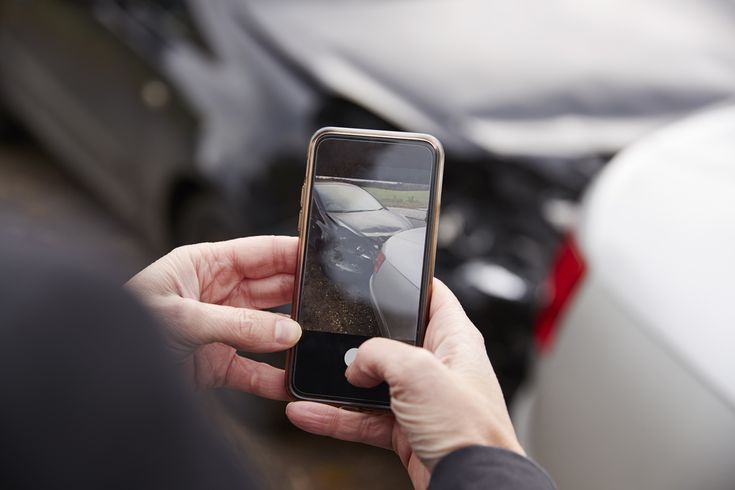
Comprehensive insurance doesn’t cover all damage to your vehicle; for example, if you sustain damage due to a pothole, you’ll probably have to pay for the repairs yourself. Additionally, comprehensive insurance is more expensive than third-party; you’re paying more to get more. If you would like comprehensive insurance but cost is a concern, some insurers allow you to pay your premium in multiple instalments.
When Should You Consider Comprehensive Car Insurance?
If you’re still paying off your car loan, comprehensive insurance may be mandatory. After all, your lender will want to know the vehicle is protected until the loan is repaid. Once you own the vehicle outright, comprehensive insurance is no longer compulsory but you may want to consider it if:
- Your car is still relatively new and/or valuable.
- You can’t easily afford to replace or repair your car in the instance of significant damage.
- You live in a flood-prone area or you park outside, where your car is more likely to be at the mercy of a natural disaster.
- You depend heavily on your car and will need it repaired or replaced quickly if it is damaged.
💭 Final Thoughts: You can always talk to an expert before making a commitment.
If you’re still not sure which option is best for you, you can always talk to an agent. They can help you weigh up the pros and cons of comprehensive insurance for your vehicle. And, they’ll let you know whether you qualify for any insurance discounts — it may turn out that comprehensive insurance costs less than you think!
Most importantly, look for an agent who is trying to do more than sell you a product. You want someone who cares about your budget and your needs and is willing to take the time to present you with options so that you can choose an insurance plan that you’re comfortable with.
Can You Help Me with Car Insurance?
Always! Chat with an agent today or, if you prefer, you can request a quote online.
Additionally, if you’re interested in leasing a vehicle, fill in this form to get started — insurance is included!
About Us
Our Maritime team of agents is here to help. Whether you need advice on insurance or financial planning, we’re committed to offering personalised support and solutions. If you’d like to chat, you can always reach out to us.
